Super lecker! Die Roulade war schön zart. Der Ochsenspieß perfekt auf den Punkt. Die Suppen ebenfalls total lecker. Preis-Leistungsverhältnis passte auf jeden Fall. Auch die Bedienung war sehr aufmerksam und herzlich. Vielen Dank für den schönen Abend!
Overview
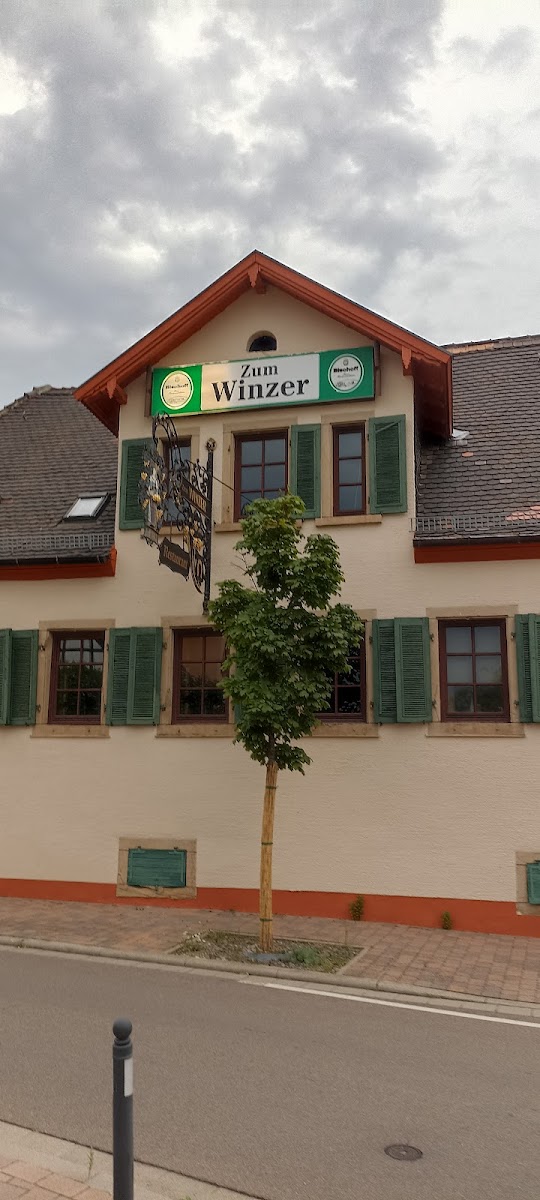
Tucked along Obergasse 23, 67152 Ruppertsberg, Germany, Gaststätte Zum Winzer Ruppertsberg feels like the kind of place you discover once and keep returning to. I first stopped by on a cycling trip through the Palatinate wine region, expecting a simple village meal. What I found instead was a warm, wood-paneled dining room, a thoughtful menu rooted in regional tradition, and a level of hospitality that quietly reflects decades of experience in Rhineland-Palatinate’s culinary culture.
The location alone tells part of the story. Ruppertsberg sits along the Deutsche Weinstraße, an area recognized by the German Wine Institute (Deutsches Weininstitut) as one of the country’s most significant wine-producing regions. With vineyards stretching across gentle hills, it’s no surprise that local gastronomy revolves around seasonal produce and estate wines. Here, that connection between kitchen and vineyard is tangible. The staff gladly explain which Riesling pairs best with a Pfälzer Saumagen or why a dry Spätburgunder complements the roast venison on the daily specials board.
On my first visit, I ordered the classic Saumagen, a regional specialty often misunderstood by visitors. It’s not simply a sausage; it’s a carefully prepared dish of pork, potatoes, and spices, slow-cooked and sliced before being pan-seared. According to culinary historians from the German Culinary Academy, traditional Palatinate recipes emphasize balance-hearty yet refined. That balance is evident here. The crust was crisp, the interior tender, and the sauerkraut served alongside had just enough acidity to cut through the richness. It wasn’t heavy; it was satisfying.
The menu rotates with the seasons, which is a hallmark of authentic German taverns. In spring, white asparagus appears, often served with Hollandaise and new potatoes. During autumn, wild game dishes reflect the hunting season. This commitment to seasonality mirrors broader European dining trends documented by the European Commission’s agricultural reports, which highlight increasing consumer demand for regional and sustainable ingredients. While Gaststätte Zum Winzer Ruppertsberg doesn’t advertise itself as trendy, its approach naturally aligns with these standards.
Service is refreshingly genuine. On a busy Saturday evening, I watched the staff handle a full dining room without a hint of stress. Orders were taken efficiently, and dishes arrived in steady rhythm. When I asked about allergens for a friend with dietary restrictions, the server consulted directly with the kitchen and provided clear, accurate information. Transparency like that builds trust, especially for travelers who may not speak German fluently. While English isn’t always guaranteed in smaller village restaurants, the team makes a real effort to communicate.
The wine list deserves special mention. Featuring bottles from nearby estates, it offers guests the chance to taste the terroir of Ruppertsberg itself. Rieslings dominate, as expected, but there are also Grauburgunder and Dornfelder options. Local winemakers have earned accolades in national competitions, and it’s easy to understand why once you sip a mineral-driven Riesling alongside a plate of schnitzel. The pairing transforms a simple meal into a full sensory experience.
Online reviews consistently praise the cozy atmosphere and fair pricing. From my perspective, the value is indeed strong. Portions are generous without being excessive, and the quality justifies the cost. It’s worth noting, however, that opening hours can vary depending on the season, so checking ahead is wise. Small family-run establishments sometimes close for holidays or local festivals, which are common in wine villages throughout the year.
There’s something deeply reassuring about dining here. Maybe it’s the sound of glasses clinking against sturdy wooden tables or the sight of locals greeting each other by name. Or perhaps it’s the quiet confidence of a kitchen that knows its craft. In a region famous for both wine and hospitality, this gaststätte stands as a genuine reflection of Palatinate tradition-unpretentious, flavorful, and rooted in community life.
Good to know
Service options
✓ Outdoor seating ✓ Takeaway ✓ Dine-in ✓ DeliveryHighlights
✓ Great coffee ✓ Great wine listPopular for
✓ Lunch ✓ Dinner ✓ Solo diningAccessibility
✓ Wheelchair-accessible car park ✓ Wheelchair-accessible seating ✓ Wheelchair-accessible entranceOfferings
✓ Alcohol ✓ Beer ✓ Coffee ✓ Healthy options ✓ Late-night food ✓ Spirits ✓ WineDining options
✓ Lunch ✓ Dinner ✓ Dessert ✓ Seating ✓ Table serviceAmenities
✓ ToiletAtmosphere
✓ Casual ✓ CosyCrowd
✓ Groups ✓ TouristsPlanning
✓ Lunch reservations recommended ✓ Dinner reservations recommended ✓ Accepts reservationsPayments
✓ Cash onlyChildren
✓ Good for kids ✓ High chairs ✓ Kids' menuParking
✓ Free of charge street parking ✓ Free parking lot ✓ ParkingPets
✓ Dogs allowedPhotos
1 / 4
Location
Reviews
- No ratings yet 327 reviews
Heute mal in Ruppertsberg die Winzer Gaststätte ausprobiert. Es war ein Gedicht. Eine echte Pfälzer Bedienung genau nach meinem Geschmack. Sehr nett sehr freundlich, kinderlieb. Essen war wirklich Top. Die Preise der heutigen Zeit angepasst. Auch hier ein kleiner Tipp!!!!Wer reserviert bekommt auch Platz . Also wir kommen gerne wieder Danke
Erstklassig!!! Hervorragende regionale Spezialitäten! Sehr herzliche Betreiber, die ihre Arbeit lieben! Hat alles gepasst!! Danke für die schöne Begegnung, wir kommen sehr gerne wieder!
Der Service ist sehr zuvorkommend, super freundlich und herrlich lustig. Danke dafür. Das Essen sehr lecker. Tolle Auswahl.
Leckeres Essen, sehr nette und gastfreundliche Inhaber, vor allem Rosita. Super Service. Sehr zu empfehlen. Komme gerne wieder.